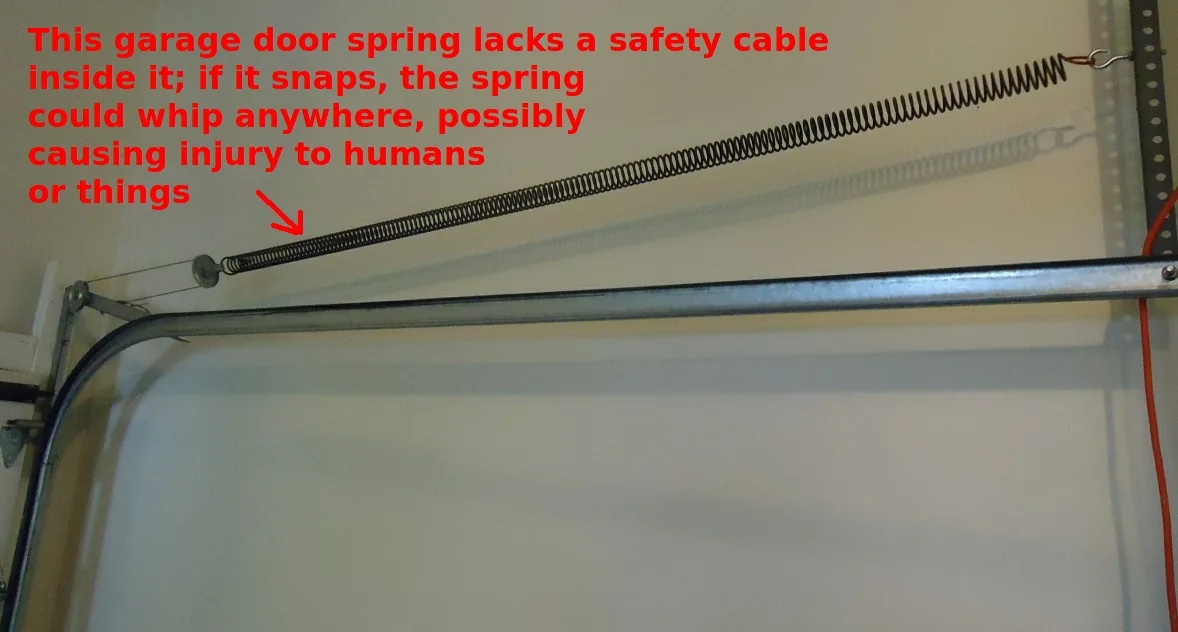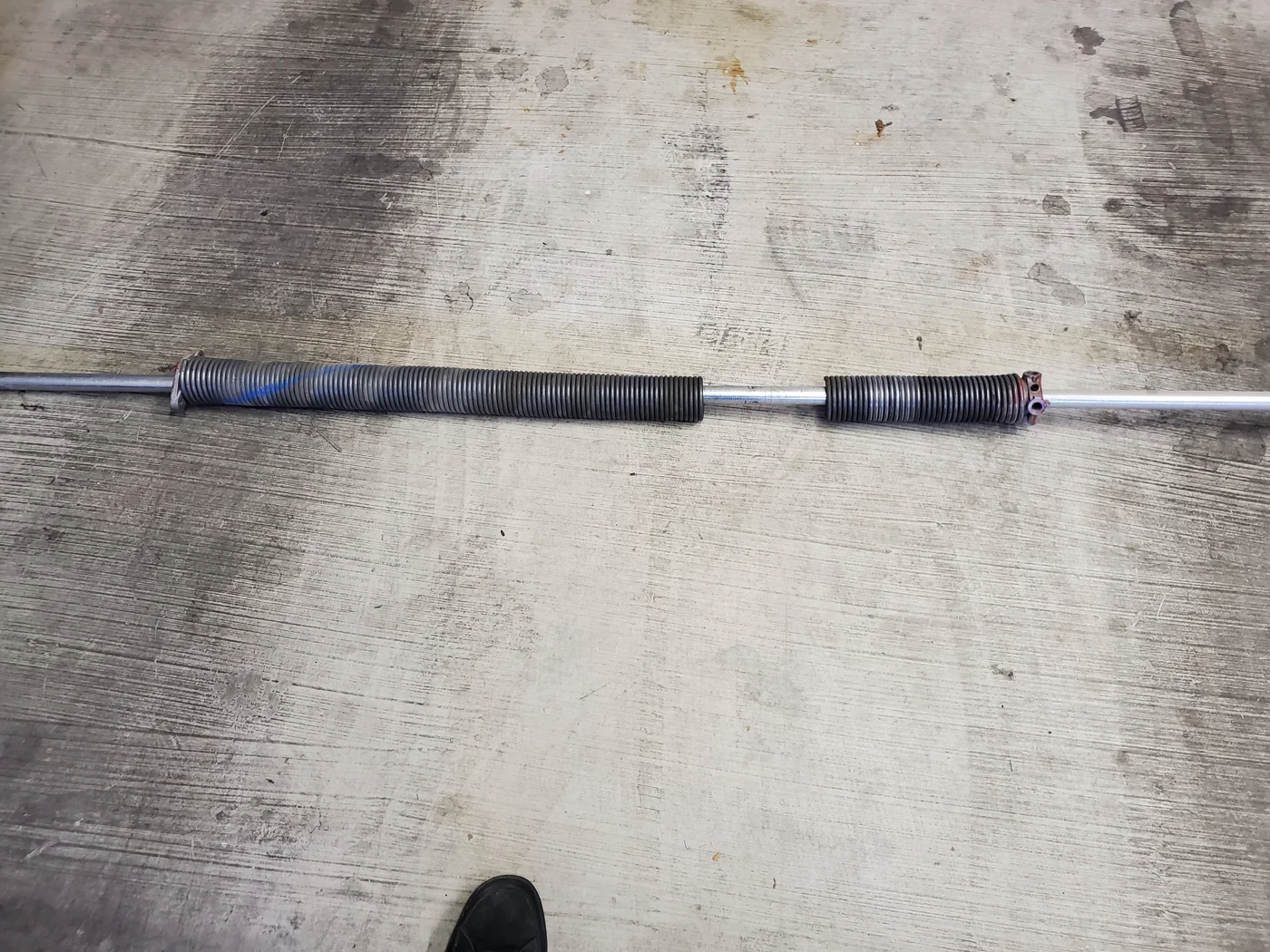

Spring identification is a professional service question, not an invitation to measure tensioned hardware. If you suspect a spring failure, stop using the door and arrange an assessment. Do not remove a spring, loosen its attachments, or try a replacement chosen from a photograph.
This reference helps you understand what to request in a proposal and retain afterward.
Separate the system description from the replacement specification
A contractor may describe a torsion or extension spring system during the visit. Ask the technician to identify the system on your equipment and explain the proposed replacement.
The name of the system alone does not establish the part your door requires. This page intentionally does not provide wire-size, length, winding, tension, or installation instructions.
Use documents already available
Share the existing door model, installation records, and prior repair invoices if you have them. Mark unknown information as unknown. A prior invoice may help the technician investigate, but ask it to confirm the current equipment and condition rather than assuming an old description is complete.
Do not touch a spring or its connected hardware to locate an identifier. DASMA warns that springs and associated parts can be dangerous and directs spring work to trained professionals.
Ask what the proposal actually includes
Request the diagnosed fault, the replacement specification the provider will supply, the number of components included, labor, additional assessed work, visit charges, and warranty terms.
If the provider offers a higher-cycle option, ask for an explanation of the specification and limitations. Keep the standard and upgraded options separate so the price difference can be understood.
Avoid treating a color, product photo, or phrase such as “heavy duty” as a complete specification.
Clarify warranty responsibility
Ask who handles a part problem, whether labor is covered, and what a callback costs. If a third-party seller is involved, ask which business takes responsibility for selecting and installing the part.
Do not buy a spring in advance simply to speed up the appointment. Ask the service company whether it accepts customer-supplied components and whether the diagnosis and selection have been confirmed.
Retain useful information afterward
Keep the invoice and the replacement description with the equipment record. Ask the technician to document any relevant checks and instructions after the work.
Can I order using the door width alone? This page does not confirm a replacement from width or any single measurement. Request professional identification.
Can I use the opener while waiting? Do not operate a door with a broken spring.
Will this directory sell me a spring? This reference does not sell or size springs. It explains the questions that make a professional proposal clearer.
Sources & further reading
Sources provide technical background. Worksheets and comparison questions are editorial guidance, not an equipment diagnosis.
Keep reading
Looking for local context?
Explore the NJ and PA area guides for nearby-place references and questions to confirm with a provider. Business coverage and Google Maps links are added only after verification.
Recognizing an extension-spring system